Game Boy: How to Pick and Play the Right Browser Game
The best choice for game boy depends on what the reader needs after the first click: a five-minute play test and controller or keyboard fit. A useful game boy page helps the reader pick a playable option quickly, then judge controls, pacing, and stopping points before committing more time. For retrogames.games, start with Home; bring in All Games only when it clarifies the next decision.
Keep the first pass on retrogames.games small enough to inspect: a five-minute play test, controller or keyboard fit, and whether the game still feels worth continuing after the first level. Retro Games - Play Free Classic & Emulator Games Online anchors the page in the actual site experience, and MDN's Gamepad API reference plus MDN's guide to using the Gamepad API add outside guidance on cleaner workflows. That matters for players deciding whether Game Boy is worth a short browser session on retrogames.games.
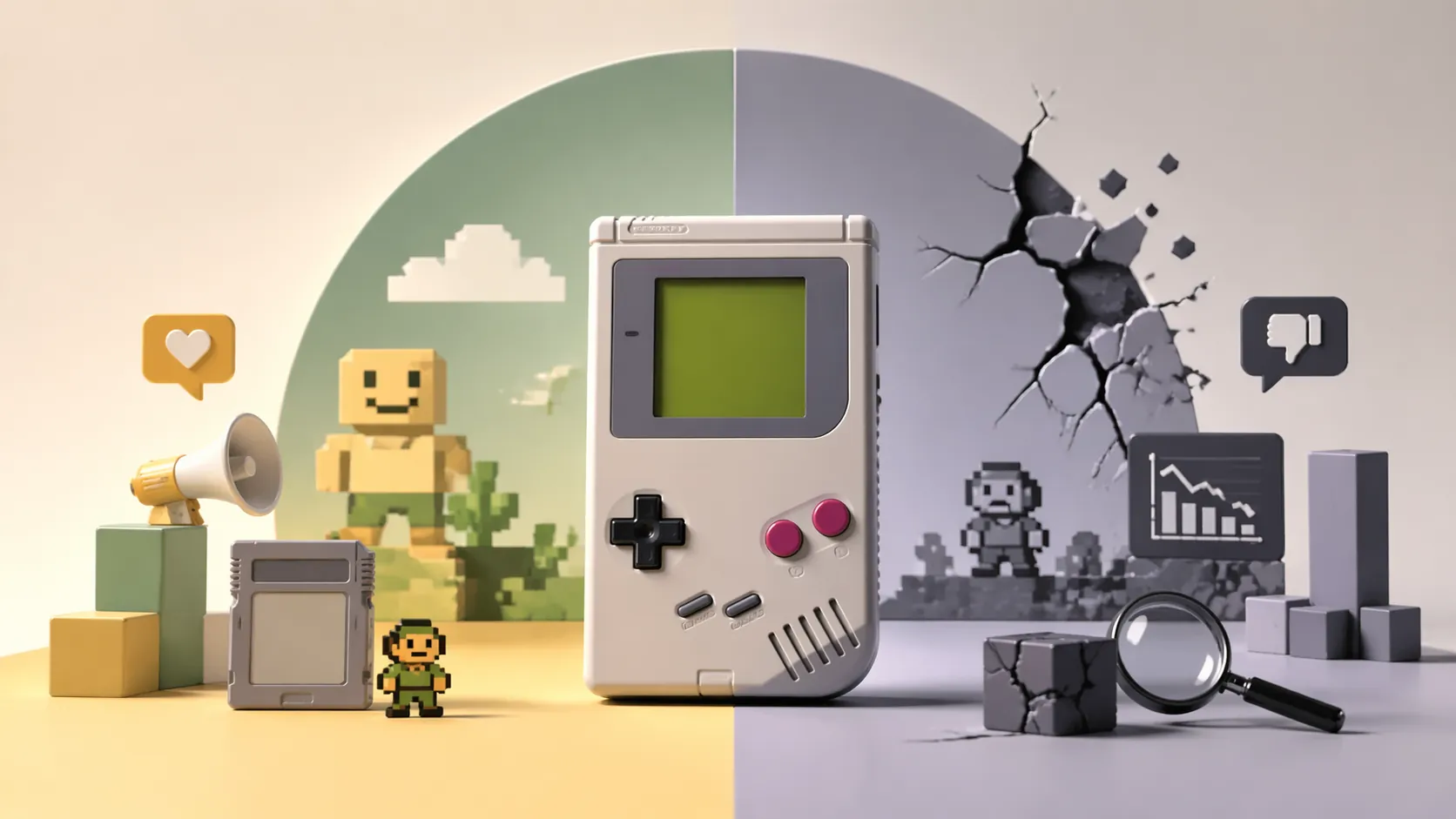
Because nearby published topics can overlap, this version narrows the audience, tightens the criteria, and keeps the search intent visible.
The structure follows Choose Game Boy by Session Length, What Makes Game Boy Playable Online, and Run a Five-Minute Play Test, moving from context to a usable test instead of another loose overview.
Key Takeaways
- Read game boy through the first useful action, not through every possible feature.
- Make Home the first validation step, then branch only when the evidence is still incomplete.
- Start with scenario-based picks so readers can choose quickly without a fake universal winner on retrogames.games.
- Judge options by playability, control, friction, and whether the first session is worth continuing when retrogames.games readers make the decision.
Choose Game Boy by Session Length
3-point fit test
- Define 1 job for game boy before opening another option.
- Run one game boy session of 15 minutes with a single input, format, and review rule.
- Keep the game boy result only if it gives 2 reusable examples or a clear reason to stop.
A useful shortlist for game boy starts with the reader's situation, not with a fake universal ranking. Someone with five minutes wants a fast-loading game with simple controls on retrogames.games. Someone settling in for a longer session can tolerate more menus, slower pacing, or a game that needs a few attempts before it clicks when retrogames.games readers make the decision.
Use Home as the starting point, then compare through All Games only when the first pick does not fit. Make play time, controls, and browser start explicit so the paragraph cannot drift into a reusable framework. A useful game choice test stays concrete: a five-minute play test, controller or keyboard fit, and whether the game still feels worth continuing after the first level on retrogames.games.
- Quick break: choose a fast-loading action, puzzle, or arcade-style game on retrogames.games.
- Beginner path: pick forgiving controls and short retry loops on retrogames.games.
- Longer session: choose a deeper adventure, RPG, or strategy-leaning game only when saves and pacing feel manageable for this retrogames.games page.
- Comparison mode: open two candidates and keep the one that feels better after five minutes in the retrogames.games workflow.
Quick Picks when retrogames.games readers make the decision
- Play Time: decide how this changes the first game boy test.
- Controls: check keyboard or controller comfort before committing to a longer session for this retrogames.games page.
- Browser Start: decide how this changes the first game boy test.
That baseline matters before the reader opens Home or uses MDN's Gamepad API reference as a reference point, because both are easier to judge when the first job is already named.
What Makes Game Boy Playable Online in the retrogames.games workflow
Judging Game Boy is less about nostalgia and more about the first session. The strongest online picks load quickly, explain themselves through play, and work with keyboard or controller input without making the setup feel like the main event for this retrogames.games page. If a game needs too much configuration before the fun starts, it is a weaker first recommendation even if it has a famous name for this retrogames.games page.
Tie the advice back to controls, pacing, and stopping point; those details are what make this section belong to the topic. Make the test specific to game boy: a five-minute play test, controller or keyboard fit, and whether the game still feels worth continuing after the first level.
- Playability: the first minute should make the goal obvious in the retrogames.games workflow.
- Controls: keyboard or controller input should feel comfortable before the player commits for retrogames.games readers.
- Friction: setup, menus, and loading should not outweigh the game itself when retrogames.games readers make the decision.
- Staying power: the game should still feel worth continuing after the first level or first few attempts for this retrogames.games page.
The useful next step is to test the game choice idea in All Games, keep the result, and ask whether it clarifies the original decision when retrogames.games readers make the decision.
Run a Five-Minute Play Test on retrogames.games
The fastest useful start for game boy is one concrete example, one target outcome, and one success rule. Run the smallest complete Game Boy pass first, then check whether the result is usable before scaling it into a larger workflow. Keep the checkpoints visible: load, control check, and first level.
The reader should be able to judge Run a Five-Minute Play Test with a five-minute play test, controller or keyboard fit, and whether the game still feels worth continuing after the first level.
- Define the Game Boy job behind Run a Five-Minute Play Test before comparing options.
- Use one small play test for Game Boy to expose the constraint that actually changes the next step.
- Use the section to preserve the one move that improves the next play test.
Step Summary
- Set the first play test criteria before comparing another game path on retrogames.games.
- Run one narrow game choice version before adding variants in the retrogames.games workflow.
- Review game choice against the strongest constraint.
- Save the game choice version that is easiest to reuse for retrogames.games readers.
If Run a Five-Minute Play Test leaves the reader with too many choices, return to the smallest game choice test and compare one alternative through NES for retrogames.games readers.
When to Pick a Different Game for retrogames.games readers
Free online play still has tradeoffs. Controls can feel different in a browser, save behavior may matter more for longer games, and some picks ask for more patience than a casual player has on retrogames.games. Before calling something the best option, check whether those limits match the way the reader actually wants to play on retrogames.games.
Tie the advice back to setup friction, patience, and input feel; those details are what make this section belong to the topic. Do not expand the section until Game Boy has one reviewable baseline.
- Browser play is convenient, but input feel still decides whether the session works on retrogames.games.
- Longer games need save behavior or stopping points the player can trust for this retrogames.games page.
- Famous games are not always the best first online pick if they start slowly for this retrogames.games page.
- Free access is only useful when the path from page to play stays simple when retrogames.games readers make the decision.
By the end of When to Pick a Different Game, game boy should have a clear verdict: continue with the path that worked, pause because the signal is weak, or rewrite the brief before spending more time.
FAQ
How Do You Choose Game Boy for a Short Session for this retrogames.games page?
Start with a single play test on retrogames.games, review it against controls, pacing, and whether the next attempt sounds fun, and compare with All Games only if the first path leaves a named question.
What Makes Game Boy Playable in a Browser for this retrogames.games page?
The first useful check is whether Game Boy produces something the reader can reuse or improve without rebuilding the whole workflow. If Game Boy does not, narrow the brief before trying another tool.
When Should You Pick a Different Game in the retrogames.games workflow?
Use Game Boy when the reader has one clear output, channel, or workflow constraint to test. A vague goal needs a sharper review rule before the first result can mean anything.
Do Controls Matter More Than Nostalgia?
Pause when the output, review signal, or cleanup cost is still unclear in the retrogames.games workflow. For Game Boy, that usually means the brief needs repair before the workflow does.
What Should You Check After Five Minutes in the retrogames.games workflow?
Game Boy is a good fit when the first pass teaches the reader what to keep, change, or stop. A result that creates more repair than clarity is a pause signal, not a win when retrogames.games readers make the decision.
Final Take and Next Step
A useful game boy page helps the reader pick a playable option quickly, then judge controls, pacing, and stopping points before committing more time.
For game boy, choose by scenario first, then verify the pick with one short test instead of chasing every option. Start with Home, then use All Games only when it improves the decision. For game searches, that means the best path is the one that gets the reader to a playable or comparable result without burying them in setup.
The final test is simple: game boy should feel easier to judge after the article than before it.